
June 29, 2026 · 7 min read
What Does a Real Estate Lawyer Actually Do? (And Why You Need One in Ontario)
In Ontario, you can't close a home purchase or sale without a lawyer. Here's what a real estate lawyer actually does — and why it matters for buyers and sellers in Chatham-Kent.
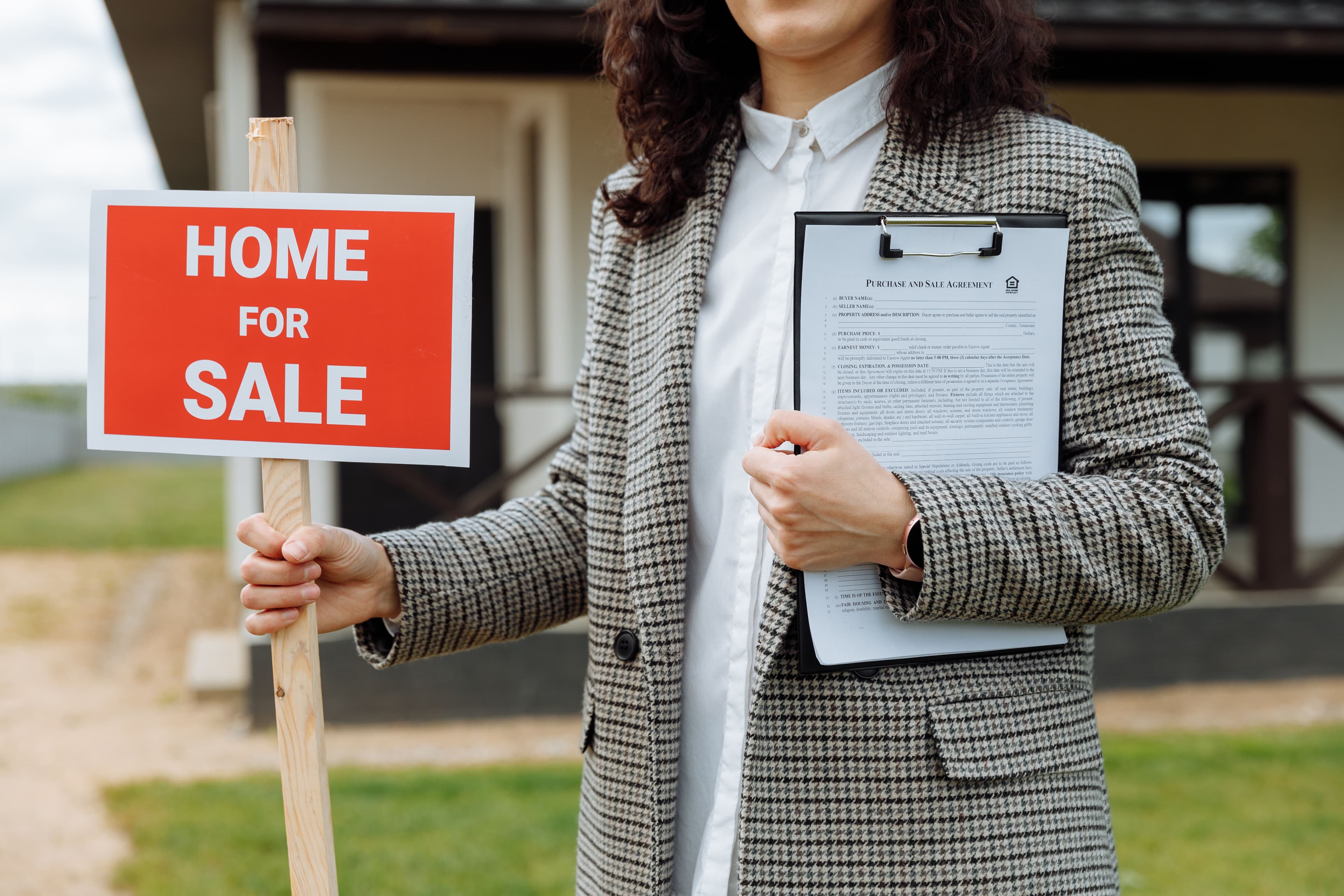
What Does a Real Estate Lawyer Actually Do? (And Why You Need One in Ontario)
Buying or selling a home is likely the biggest financial transaction of your life — and one of the most common questions people ask before they start is: Do I really need a lawyer for this?
In Ontario, the answer is yes. A real estate lawyer isn't an optional extra you can skip to save a few dollars. In practice, you cannot legally close a property transaction in Ontario without one. But beyond being a legal requirement, a good real estate lawyer protects you from costly mistakes at the exact moment when the stakes are highest.
If you're buying or selling in Chatham, Wallaceburg, or anywhere in southwestern Ontario, here's a clear, plain-language look at what a real estate lawyer actually does — and why it matters.
Why a Lawyer Is Required to Close in Ontario
Many first-time buyers assume the real estate agent or the bank handles everything. They don't. In Ontario, the transfer of property ownership is registered electronically through the province's land registration system — and only a licensed lawyer can register that transfer on your behalf.
That means the actual moment your home becomes yours — the legal change of ownership — must go through a lawyer. There's no do-it-yourself option for closing day.
But the legal requirement is really just the floor. The reason you want a lawyer involved goes far beyond pushing a transaction through a registration system. A real estate lawyer's job is to make sure that what you think you're buying is actually what you're getting, that there are no hidden problems attached to the property, and that your money and your interests are protected from offer to close. If you want the service-side overview, our real estate law services page explains how we help buyers and sellers through Ontario closings.
What a Real Estate Lawyer Does for a Buyer
If you're buying a home, here's what's happening behind the scenes once you have an accepted offer.
1. Reviewing the Agreement of Purchase and Sale
Your lawyer reviews the contract you've signed (or, ideally, reviews it before you sign) to make sure you understand your obligations, the conditions, the closing date, and anything unusual that could affect you. Catching a problem here is far easier than after the deal is firm.
2. Conducting a Title Search
This is one of the most important things a real estate lawyer does. A title search confirms that the seller actually owns the property and has the right to sell it, and reveals anything registered against the title that could affect you, such as:
- Liens (for example, unpaid debts or contractor claims registered against the property)
- Mortgages that need to be discharged
- Easements or rights-of-way (where someone else has a legal right to use part of the land)
- Encroachments or boundary issues
- Unpaid property taxes or utilities
If any of these turn up, your lawyer works to resolve them before you close — so you don't inherit someone else's problem.
3. Arranging Title Insurance
Your lawyer typically arranges title insurance, which protects you against certain title-related problems that even a thorough search might not catch — such as fraud, survey issues, or undisclosed defects in ownership.
4. Handling the Mortgage and Lender Requirements
If you're financing the purchase, your lawyer works directly with your lender to receive the mortgage funds, ensure the lender's conditions are met, and register the mortgage against the property. They make sure the money flows correctly and on time.
5. Calculating the Numbers and Adjustments
Closing involves more than the purchase price. Your lawyer prepares a statement of adjustments that accounts for things like prepaid property taxes, utilities, and other costs, so each party pays their fair share as of the closing date. They'll also calculate your land transfer tax and confirm whether you qualify for the first-time homebuyer rebate.
6. Closing the Deal
On closing day, your lawyer exchanges the funds and documents with the seller's lawyer, registers the transfer of ownership and your mortgage, and confirms that everything is legally complete. Then they let you know the keys are yours.
7. Reporting to You
After closing, your lawyer provides a report confirming what was done, along with copies of the key documents you'll want to keep — proof of ownership, the registered transfer, and details of any title insurance.
What a Real Estate Lawyer Does for a Seller
Selling has its own set of legal steps, and a lawyer is just as essential.
- Reviewing your Agreement of Purchase and Sale to confirm your obligations and protect your interests.
- Preparing the transfer documents needed to legally convey the property to the buyer.
- Dealing with your existing mortgage — obtaining the payout amount and arranging for it to be discharged from title once it's paid off.
- Handling the closing funds — receiving the sale proceeds, paying out your mortgage and any other charges, and making sure you receive the correct net amount.
- Resolving any title issues the buyer's lawyer raises so the deal can close on time.
The goal is the same on both sides: a clean, problem-free closing where everyone's interests are protected.
Common Misconceptions About Real Estate Lawyers
"My agent handles the legal stuff." Your real estate agent handles the marketing, negotiation, and the deal itself — but they're not lawyers and can't conduct title searches, register the transfer, or give you legal advice. The two roles work together but are not interchangeable.
"I'll just save money and skip the lawyer." You can't — closing legally requires one in Ontario. And the cost of a real estate lawyer is small compared to the cost of an undiscovered lien, a title defect, or a deal that falls apart because of a problem nobody caught.
"All lawyers charge the same, so it doesn't matter who I use." A local lawyer who knows the area, communicates clearly, and is available when questions come up makes a stressful process much smoother. This is one transaction where it pays to work with someone you trust.
When Should You Contact a Real Estate Lawyer?
The earlier the better. Many people wait until they have a firm deal, but contacting a lawyer before you sign an Agreement of Purchase and Sale — or as soon as your offer is accepted — gives you time to review the contract, understand your costs, and avoid surprises. If your offer has conditions (like financing or a home inspection), getting your lawyer involved early helps make sure those are handled properly.
How J. Amelia Law Can Help
At J. Amelia Law, we guide buyers and sellers across Wallaceburg, Chatham, and southwestern Ontario through every step of their real estate transaction — clearly, carefully, and on time.
We can help you:
- Review your Agreement of Purchase and Sale before you're locked in.
- Conduct a thorough title search and resolve any issues before closing.
- Arrange title insurance and work with your lender.
- Calculate your land transfer tax and confirm your eligibility for the first-time homebuyer rebate.
- Close your purchase or sale smoothly, and explain everything along the way.
Buying or selling a home is a big step. Having a local lawyer in your corner means you can move forward with confidence, knowing the details are being handled properly.
Thinking about buying or selling? Contact J. Amelia Law to speak with our team serving Wallaceburg and the Chatham-Kent region, or learn more on our real estate law services page.
Sources
- Ontario e-Laws, Electronic Registration Act, 1991
- Ontario e-Laws, Land Registration Reform Act
- Government of Ontario, Land transfer tax
- Government of Ontario, Land transfer tax refunds for first-time homebuyers
- Financial Consumer Agency of Canada, Title insurance
This article is for general information only and does not constitute legal advice. For advice specific to your real estate transaction, please consult a qualified lawyer.